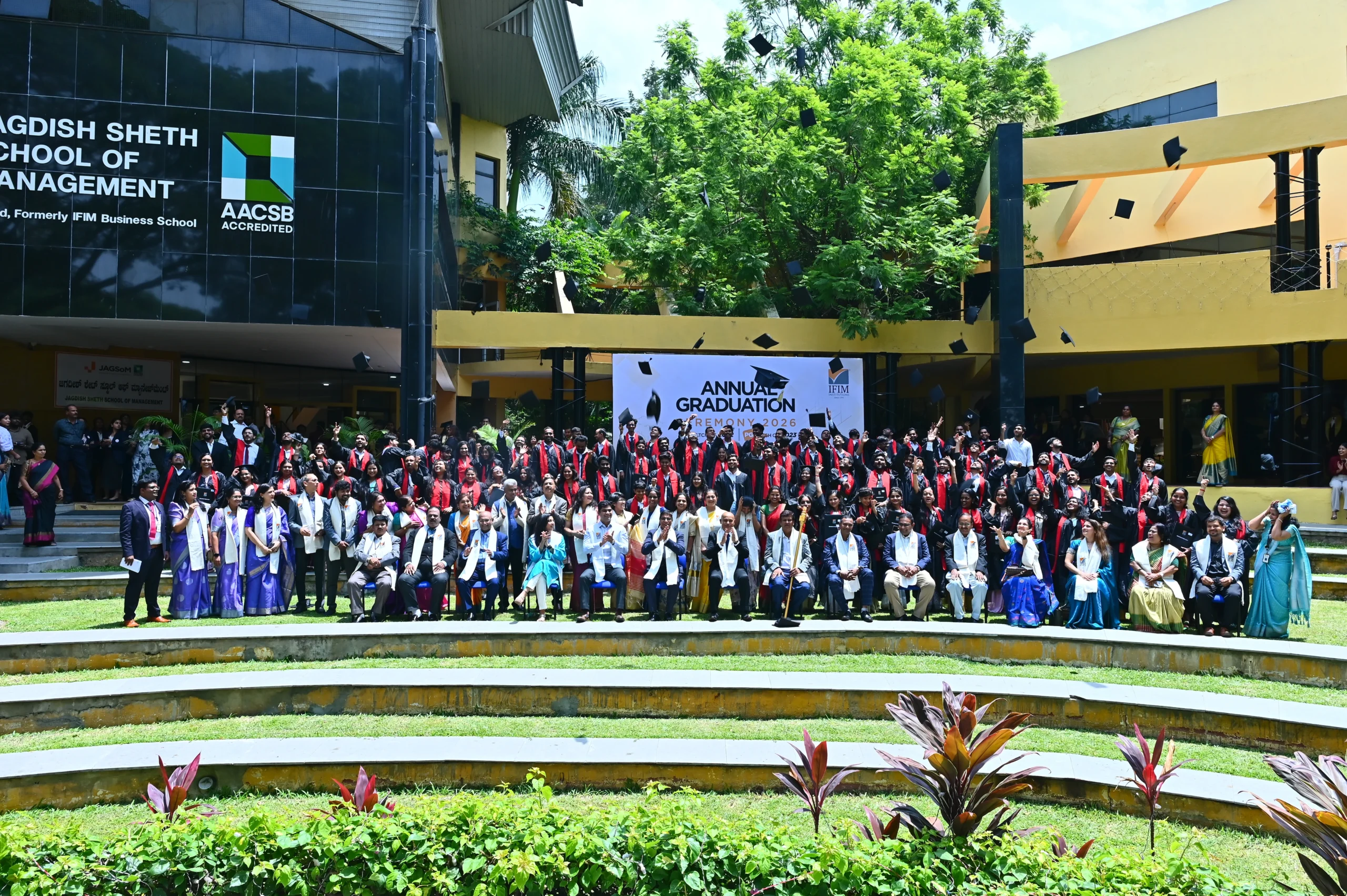
IFIM Institutions create academically rigorous yet supportive learning environments where students are encouraged to grow intellectually, professionally, and personally—guided by structured programs and strong academic governance.
IFIM Institutions boasts of an intellectually stimulating customized programs aimed at the holistic development of students and ensuring that the student potential is well tapped into and nurtured.
Programs We Offer
About
IFIM Institutions
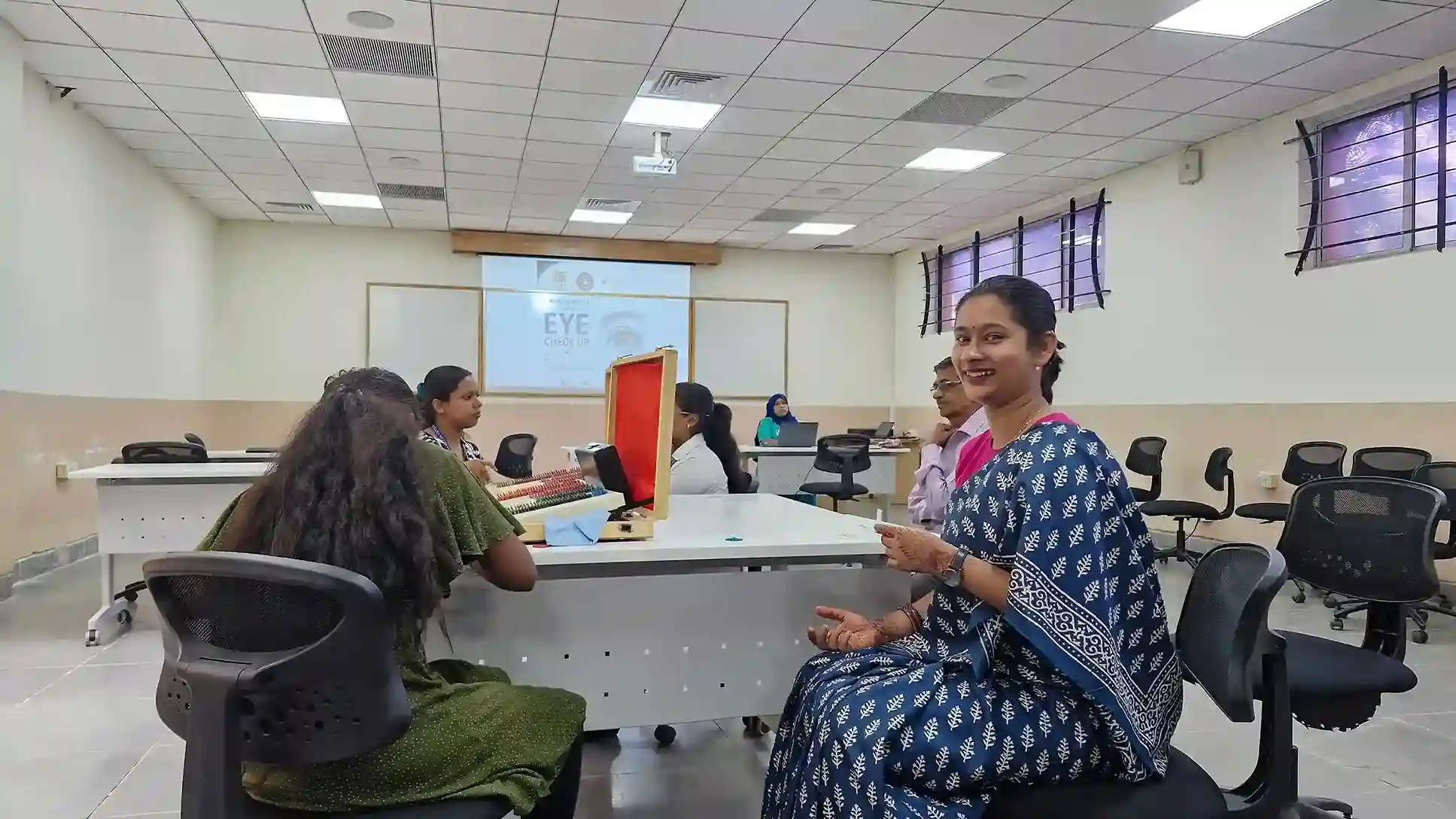
IFIM Institutions is a legacy-led, future-focused education group with over 30 years of experience in building career-oriented higher education in India. Known for its strong academic governance, industry-aligned curriculum, and outcome-driven approach, IFIM blends intellectual rigour with real-world relevance. Its key differentiator lies in practice-led learning, through live industry projects, immersive internships, research exposure, and continuous skill integration, ensuring students are prepared for evolving professional roles, not just degrees.
IFIM offers a diverse portfolio of undergraduate and postgraduate programs across Management, Law, Technology, and allied disciplines, designed to balance foundational knowledge, specialisation depth, and holistic development, while maintaining a clear focus on employability, ethical leadership, and long-term career continuity.
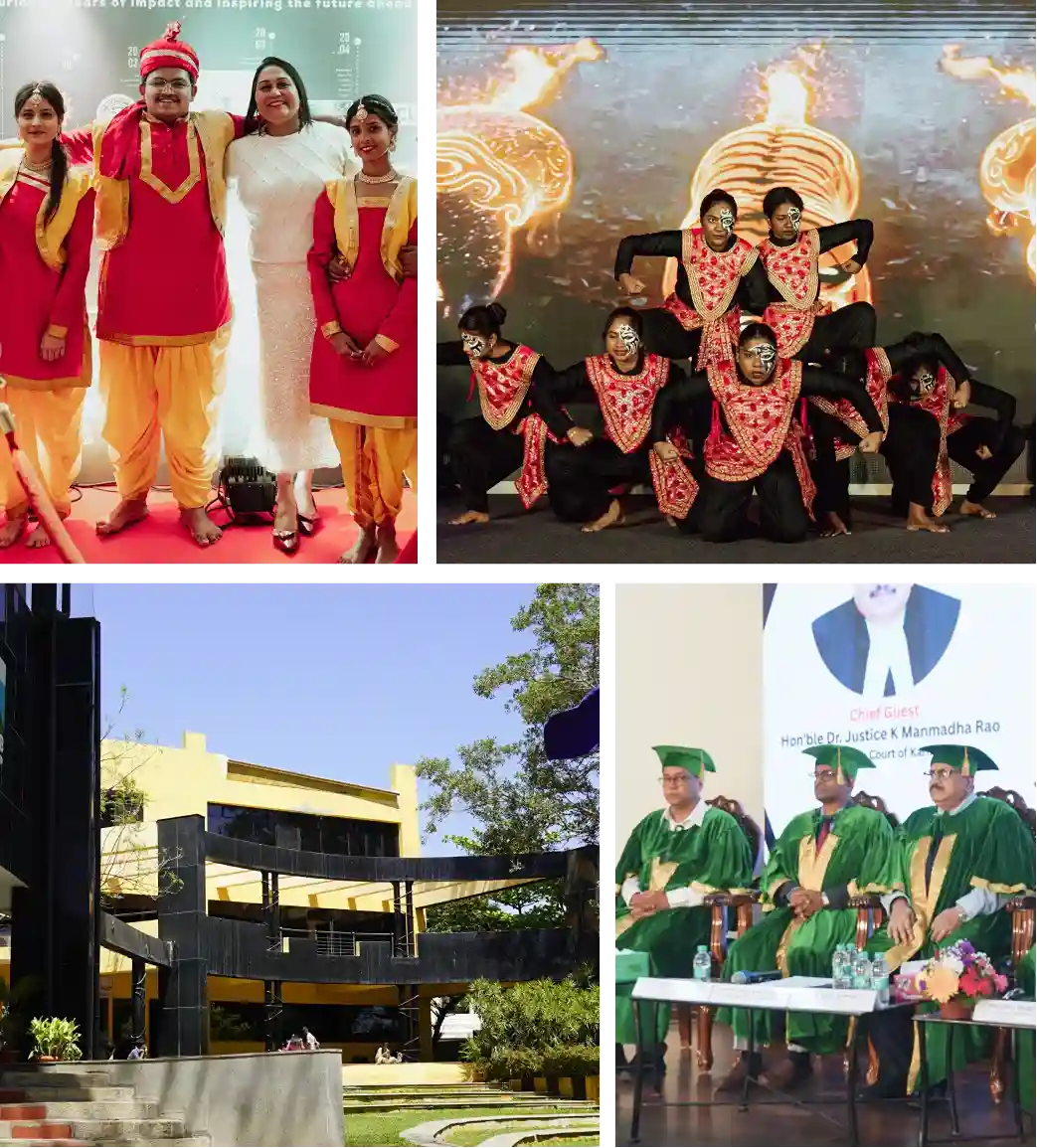
IFIM combines high-tech academic facilities with a vibrant student culture. From startup incubators to diverse interest clubs and modern sports amenities, the campus provides a holistic environment where professional skill-building meets active student life.
My experience at IFIM College has been truly enriching. The supportive faculty, practical learning approach, and exposure to real-world opportunities have helped me grow both academically and personally. IFIM creates an environment where students are encouraged to learn, lead, and evolve with confidence.
Dhruva Raj K M
Joining IFIM has been one of the best decisions of my life. My transformation here came through hands-on internships, experiential learning, attending conferences, working on campus events, and eventually starting my own startup. These opportunities gave me a truly enriching college life—one that goes well beyond textbooks and classrooms.
Labala Revanth KumarBBA (2023–26)
My experience in the BCA program has been truly enriching, thanks to the supportive faculty who excel both academically and beyond the classroom. The engaging teaching approach, modern classrooms, and hands-on learning have helped prepare us for real workplace challenges.
Opportunities such as webinars, workshops, group discussions, and PEP classes have further contributed to both my personal and professional growth, making the learning experience well-rounded and industry-relevant.
Vikram ReddyBCA (2023–26)
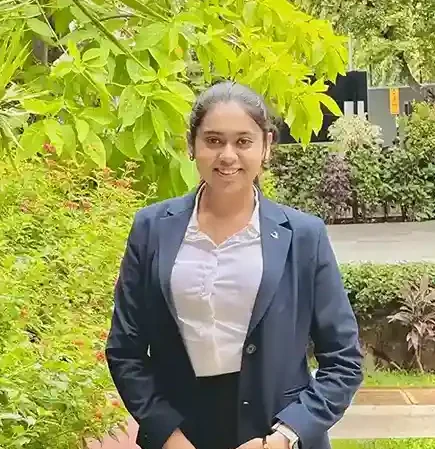
Choosing IFIM College for my MBA truly changed my journey. Beyond academics, real-time webinars with senior corporate leaders and Personality Enhancement Training (PET) significantly boosted my confidence and industry readiness. Serving as a Placement Coordinator for Finance gave me hands-on exposure to corporate interactions and recruitment processes, and played a key role in securing my placement in my very first opportunity.
With structured training, consistent mentoring, and focused placement support, IFIM helped me feel genuinely prepared for the corporate world. The experienced yet approachable faculty constantly motivate students to grow, while the institution’s strong placement ecosystem ensures both readiness and outcomes. IFIM didn’t just teach me—it transformed me.
Pradhiksha RMBA (2023–2025)
My journey at the institution has been truly transformative. Being placed at Oracle Financial Services Software as a Staff Consultant through campus recruitment was made possible by the strong academic foundation, structured training, and continuous guidance provided by the faculty, Placements, and PEP teams. Their strategic mentoring and rigorous preparation played a key role in shaping my confidence and readiness for the corporate world.
Serving as a Placement Coordinator for Business Analytics further enhanced my leadership skills and gave me valuable exposure to corporate engagement and recruitment processes. The institution’s corporate mentorship initiatives strengthened my industry understanding and professional outlook. I am grateful for a result-oriented learning environment that not only supports placements but also focuses on holistic professional growth.